Protect Your Car Paint from Sun & UV Damage in Bowling Green, KY
Sunlight beats down harder than most drivers expect. Park outside a few weeks through Kentucky heat, suddenly the shine starts fading. Paint loses depth first, then tiny cracks creep in around edges. Dust settles into every layer while bird droppings bake against the surface. One storm passes, another follows, yet the finish never fully recovers afterward. People around Bowling Green notice it most on darker vehicles parked near open lots all summer long. how to protect your car paint from the sun
Most folks believe washing alone keeps paint safe. Truth shifts once oxidation begins. Tiny contaminants stay behind even after rinsing. Heat expands surfaces daily while UV rays slowly break down clear coat protection. By the time fading becomes obvious, damage already sits deeper than expected.
Picture this – years spent around detailing bays, ceramic coatings, paint correction jobs, all showing the same pattern. Vehicles protected early hold their gloss longer. Others end up needing expensive restoration later. Real protection starts before damage shows itself.
Why Car Paint Gets Damaged So Fast
Sunlight weakens clear coat layer by layer. UV rays slowly dry out paint until colors lose richness. Heat opens tiny pores across the surface, allowing dirt and contaminants to settle deeper inside. Rainwater mixed with pollution leaves marks behind once moisture evaporates.
Bird droppings, tree sap, road salt, pollen – all of it attacks exposed paint daily.
Most drivers miss this part completely: automatic car washes often create swirl marks that trap more dirt afterward. Small scratches scatter sunlight differently, making paint appear dull faster.
Back when I first started detailing cars, one customer brought in a black truck barely three years old. Hood looked faded already from constant sun exposure. No protection had ever been added. That job changed how I explain paint care now – prevention matters more than correction.
best paint protection for your car
Different vehicles need different protection methods depending on weather, parking habits, and driving conditions.
Ceramic Coating
Creates a hard protective layer over paint. Helps block UV rays, dirt, water spots, bird droppings, and chemical stains. Shine lasts much longer compared to wax.
Paint Sealant
Synthetic protection lasting several months. Easier on budget while still helping against fading and contamination.
Car Wax
Adds shine and short-term defense. Needs regular reapplication because heat breaks it down faster.
Paint Protection Film
Strong transparent layer protecting against rock chips, scratches, and road debris. Common on luxury or performance vehicles.
Most folks around Bowling Green choose ceramic coatings because weather changes fast here – heat, rain, pollen, road grime all hit within the same season.
best way to protect your car paint
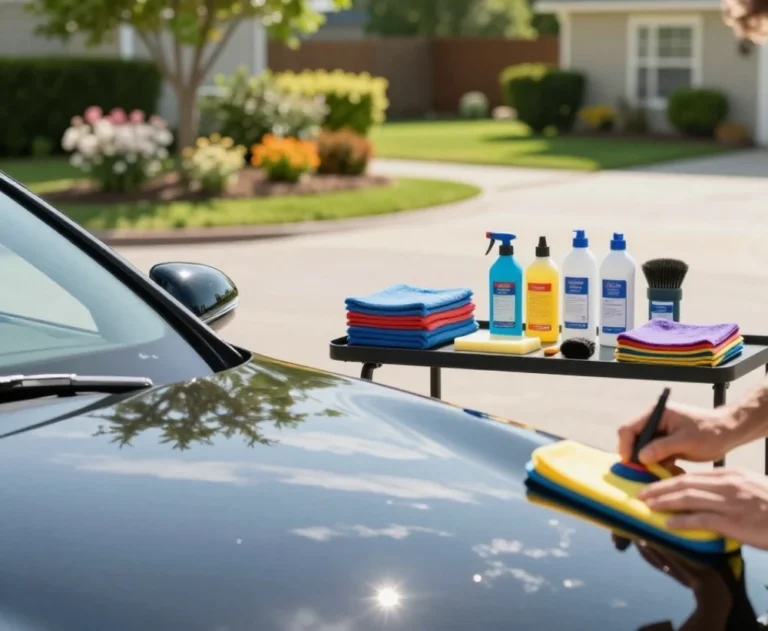
- Wash your vehicle regularly using pH-balanced soap
- Dry with microfiber towels instead of rough cloths
- Avoid automatic brush car washes
- Park in shaded areas whenever possible
- Remove bird droppings quickly
- Apply ceramic coating, wax, or sealant consistently
- Keep paint free from tree sap and road salt buildup
Small habits make bigger differences than people realize.
How to protect your car paint from the sun
Parking under direct sunlight every day slowly destroys clear coat. Heat expands surfaces while UV exposure fades color unevenly.
- Use covered parking whenever possible
- Car covers help during long outdoor parking
- Ceramic coating blocks UV damage better than traditional wax
- Wash pollen and dust off frequently during summer
- Keep vehicle surfaces cool when possible
One customer near Bowling Green kept his white SUV outside year-round. After adding ceramic coating plus regular maintenance washes, fading slowed dramatically compared to previous summers.
Common Mistakes That Ruin Paint Faster
- Using dish soap instead of car shampoo
- Washing with dirty sponges
- Letting contaminants sit too long
- Skipping paint protection entirely
- Drying vehicle under direct heat
- Ignoring small scratches and swirl marks
Most damage builds slowly, not overnight.
Seasonal Paint Problems in Kentucky
Summer
Strong UV exposure, high heat, bug splatter, bird droppings.
Spring
Heavy pollen buildup, rain contamination, muddy roads.
Winter
Salt residue sticks to lower panels and undercarriage.
Fall
Tree sap and falling debris settle onto paint surfaces.
Protection changes with every season around Kentucky roads.
Professional Paint Protection Versus DIY
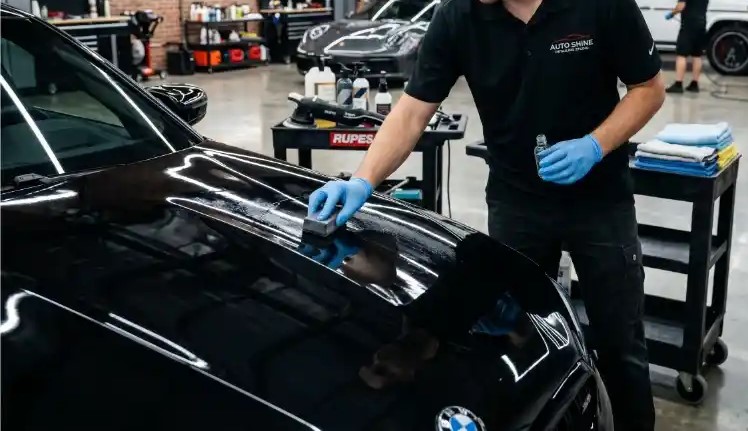
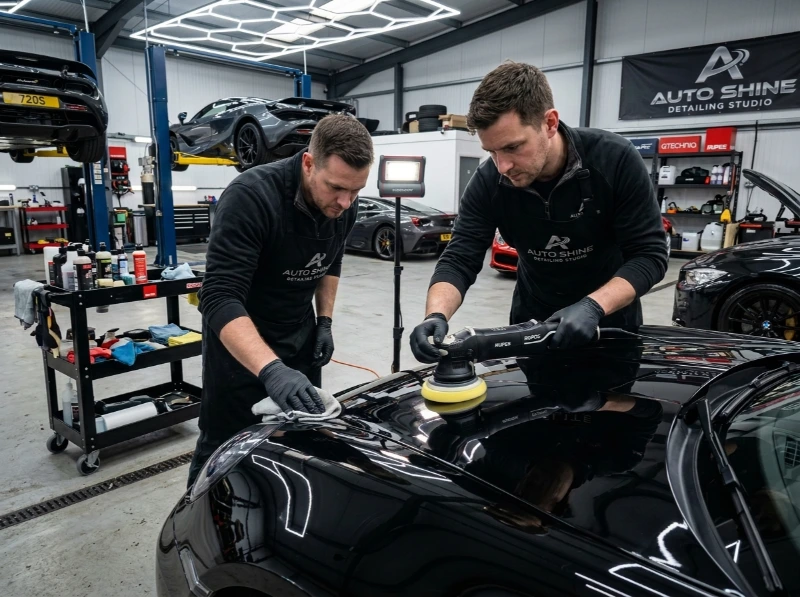
Store-bought sprays help temporarily, yet professional-grade coatings last much longer. Surface preparation changes everything. Paint correction removes defects before protection gets applied.
DIY jobs often skip decontamination steps completely. That leaves dirt trapped underneath protection layers.
A customer once attempted ceramic coating alone inside his garage. Streaks hardened across the hood because preparation was rushed. Later correction cost more than professional installation would have originally.
Signs Your Vehicle Needs Paint Protection
- Paint looks dull in sunlight
- Water no longer beads on surface
- Swirl marks appear after washing
- Color fading becomes noticeable
- Rough texture develops across panels
Once these signs appear, protection becomes more urgent.
Maintenance Tips After Paint Protection
- Use gentle wash methods
- Avoid harsh chemicals
- Dry vehicle properly after washing
- Schedule maintenance washes regularly
- Remove contaminants quickly
Good maintenance keeps protection lasting longer.
Conclusion
Keeping paint protected saves money long term. Gloss stays deeper, surfaces stay smoother, resale value stays stronger. Whether using ceramic coating, wax, sealants, or film protection – consistency matters most.
Drivers around Bowling Green deal with heat, storms, pollen, and road grime constantly. Proper protection helps vehicles survive those conditions without losing appearance too quickly.
Ever noticed fading, swirl marks, or rough spots showing up faster than expected? Share what happened. Real experiences often help others avoid bigger paint problems later.