Ceramic Coating vs Wax: Which One is Truly Better for Your Car
That car wash feels good. Two days later boom Kentucky downpours show up. Pollen drifts down overnight. A certain bird picks your hood again. Shine vanishes fast. Ever been there?
Most folks around Bowling Green keep scrubbing their cars only to see the color dull faster than before. Years spent working at Auto Shine Detailing Studio have shown me one clear thing. What sits on top of most vehicles isn’t doing much beyond looking wet for a day. Instead of chasing gloss every weekend, some kind of shield makes more sense. Real protection means less wiping, fewer worries when dirt sticks. This stuff clings tight, fights off grime like rain slides off glass. You still wash it, sure, yet half the effort brings better results. Not magic – just science applied right where it matters. wax vs ceramic coating
Picture this – after years of coating cars, here’s what actually matters. Most folks miss a few key details that change how well it works. Real results? They’re possible, but only if you know what to expect. Costs add up faster than expected, so clarity helps. Some vehicles gain more than others, depending on daily use. This isn’t theory – just notes from watching coated rides age in normal conditions.
The Biggest Benefit Most People Overlook
Most people notice the shine first when they get ceramic coating – sure, it looks good. Yet what really shifts things comes later: how you interact with your vehicle day to day. Cleaning stops being a chore done each Saturday because maintenance shrinks down to just minutes now and then. Rain hits the surface, gathers into tight droplets, slides away while pulling dust along. This water-repelling behavior isn’t magic; it works exactly as described. After living with it, returning to old-school wax feels like stepping backward. ceramic wax vs ceramic coating
Out in Bowling Green, summer brings sticky heat, while spring dumps thick pollen everywhere. Then comes winter, with salty sludge splashed up from treated roads. A ceramic shield helps your car’s finish stand firm through each mess. This tough film holds off sun deterioration, keeps acid stains from bird waste at bay, plus shrugs off faint scuffs caused by gritty particles or cleaning tools.
Long-lasting Protection That Works Over Time
Most waxes fade fast here, maybe holding up three weeks. In contrast, a solid ceramic shield can go two years, sometimes even five, if looked after. One major upside? You forget monthly upkeep. Suddenly, driving matters more than maintenance.
One time, a man walked in with his new black Corvette – just driven straight from the factory. Though thrilled with the vehicle, he was frustrated at how fast dust stuck to its surface. A top-grade ceramic shield went on without delay. Half a year passed before I saw him again – he mentioned cutting his wash routine by fifty percent, yet the shine stayed like day one. Moments like that are what cement our trust in this treatment.
Easier Cleaning Less Maintenance
Most folks spot this change right away. Once the car gets coated, grime sticks less to the surface. Water washing often clears nearly everything off. Cleaning takes fewer minutes now. That leaves extra moments behind the wheel.
Most people we’ve talked to say they clean their vehicles way less after adding that glass-like finish – about 40 to 60 percent fewer washes. Time stretches out, water use drops, and bottles of soap pile up unused under the sink. Think about parents juggling schedules near Bowling Green, or commuters riding I-65 every single day – it changes how they see upkeep.
More Shine and Richer Colors
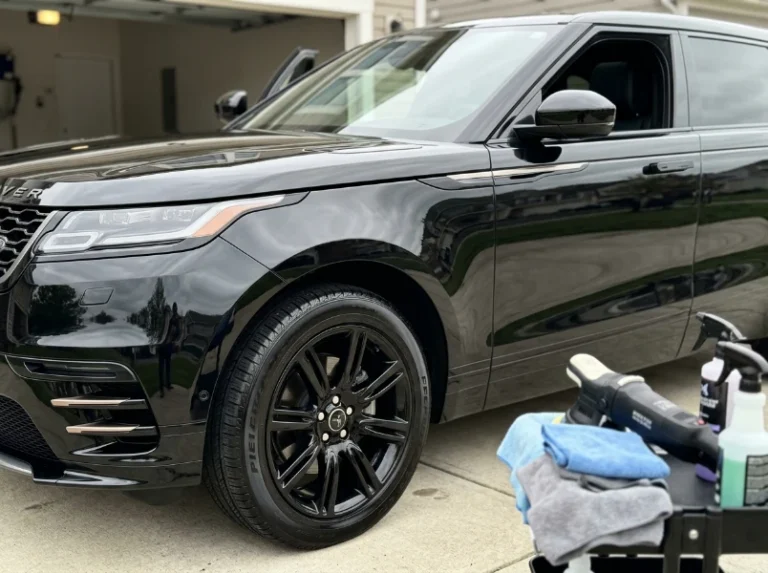
Not only does ceramic coating guard, it transforms. A different kind of shine emerges – paint gains richness, almost like liquid glass. Jet black becomes deeper than ever seen before. Reds deepen into something bolder, more alive. White? Suddenly crisper, as if lit from within.
People pause just to see their own reflection stretch across the glossy finish. Some say others come up out of nowhere asking how they made their vehicle shine like that. Seeing someone surprised by it still feels good every time.
Shield From Actual Kentucky Issues
Besides weather wear, fading shows up fast around here. Still, our teams spot fewer chips week after week.
Shielding your car from sunlight matters a lot here. The bright Kentucky sunshine can damage paint over time. A ceramic layer stops harmful rays before they break down the surface. Fading becomes less likely when protection is in place. Oxidation slows when ultraviolet light gets blocked.
Spattered by birds or drenched in sticky tree residue, surfaces hold up better. When downpours carry acidity, harm stays minimal. Sap oozes slowly, yet won’t eat through. Droppings sit longer without etching. Rain cuts hard elsewhere, but here it barely bites.
Even though tiny stones can still chip it, a tougher surface keeps wash-time spirals and small scrapes at bay. Not every bump gets through.
When things get hot, the coating holds up where wax might run or soften under summer sun. car wax vs ceramic coating
People Who Want Long Lasting Protection For Their Car Paint?
Some folks skip it entirely, yet certain ones gain way more. Drivers who often face long commutes find extra value here. Others with older models notice a difference too. Those living where winters bite hard tend to benefit most. It just depends on routine and location. Not all vehicles require such help at all.
- Corvette owners near the plant who want to protect that factory finish
- Folks behind the wheel out past town often face bumpy trails under tires
- Families with kids and pets who need easier cleaning
- Anyone who wants to maintain high resale value
Most days behind the wheel? A ceramic finish might save time while keeping shine. Not always needed, yet often helpful for regular drivers.
Honest Look at the Downsides
No pretending here. Ceramics aren’t magic shields. Small dings from stones? Still possible. Deep scrapes too. Before applying one, fixing the paint flaws matters – skip that step, you seal those light swirls forever. True, it asks for more money at first compared to basic wax layers. ceramic coat vs wax
Still, after seeing how things play out, the lasting perks tend to beat the downsides for many folks. What matters most? Picking a solid repair place while sticking to regular upkeep.
Auto Shine Detailing Studio How We Work
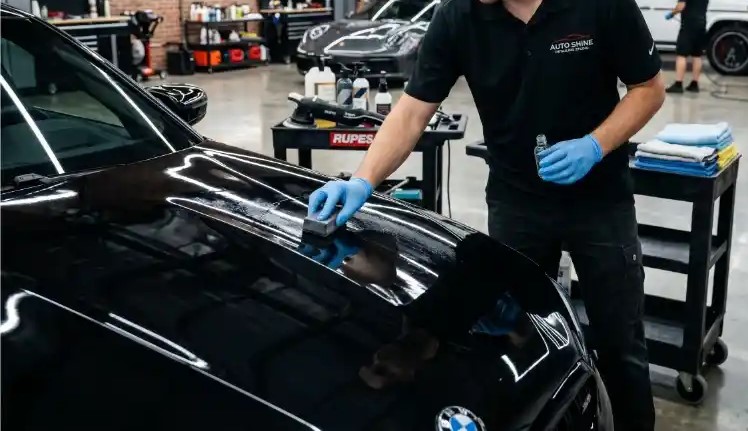
Start with a close look, not a quick fix. After checking everything carefully comes a serious clean, nothing rushed. When flaws show up, they get fixed before any finish goes on. Work happens slow, in spaces built just for steady outcomes. Tiny choices like these turn okay finishes into standout ones.
Maintenance Tips That Actually Work
Long-lasting results come from good habits after treatment.
- Try using a gentle, balanced cleaner instead
- Wash off grime before it sticks hard
- Skip machines that scrub too rough
- Reapply a light mist now and then to maintain slick water behavior
Each person gets clear steps made for our area’s climate shifts.
Ceramic Coating vs Traditional Waxing Cost Comparison
Most wax jobs cost less upfront, though they need repeated applications throughout the year. Ceramic coatings ask for more initially, yet last much longer with proper maintenance. Over time, many drivers spend less maintaining ceramic protection compared to constant waxing. ceramic coating vs traditional waxing cost comparison
Waxing vs Ceramic Coating Which One Lasts Longer?
Traditional wax usually fades after a few weeks around Kentucky weather. Ceramic coatings can keep protecting paint for years. Heat, rain, pollen, and road grime break down wax faster, while ceramic layers stay stronger much longer. waxing vs ceramic coating
Most folks behind the wheel in Bowling Green find it works well. Thanks to less scrubbing, stronger defense against grime, that glossy finish sticks around much longer – a choice that pays off slowly. Think of it as looking after both vehicle and free hours.
Ever noticed how often you’re cleaning your car, only to watch the finish fade too soon? Stop by our shop sometime. A close look at your vehicle tells a story – we’ll share what’s really going on with the surface. From there, straight talk about if ceramic protection fits your situation or not.
FAQs
True, most of the time. Built stronger than regular wax, ceramic resists heat without failing. Rain rolls off like it means nothing. Dirt struggles to stick around. Even when clouds block the sun, some UV light gets through – yet it does much less damage. When storms roll in or winds howl, the protection stays firm, while wax fades fast under pressure.
Some waxes keep their glow for weeks without fading much at all. When cared for right though, ceramic coatings tend to last even longer than expected.
Wax tends to fade fast, yet ceramic holds on tight. Switching gives tougher protection from harm, even if both add shine differently.
Spending many hours behind the wheel, some drivers notice their vehicle handles wear more smoothly when left mostly alone. Over time, they say, skipping frequent upkeep seems to strengthen its lifespan.
True, cars always require washing, even if it feels simpler once started. Still, skipping the job just cuts down on what follows.
Still there. Light swirls might fade a little, yet deeper harm stays visible regardless. Some small scrapes appear fainter, even so heavy grooves keep their shape. Flaws on top can improve slightly, while those underneath refuse to change.
Should the sky turn gray fast, that guard keeps fighting grit just fine. Passing bad weather hardly matters at all. Sheets of rain fail to loosen it completely. Fierce sun beats down yet the layer holds – acts normal through it all.
Yet things might go wrong when particular waxes meet specific surface coatings. Usually, higher-quality options deliver stronger results.
Exactly. If the finish appears dull or shows light scratches, handle those issues first. Previous layers could require removal, ensuring new ones bond properly.
Washing less often? That happens when ceramic coats the surface. Dirt finds it tough to stick around, thanks to that slick layer underneath. Sliding right off – mud and dust do – instead of settling in deep. Cleaning becomes lighter work since the shell resists stains like a shield. Fewer rounds with the sponge still keep it looking sharp.
Ceramic Coating Value in 2026?
Nothing beats what ceramic coating does for your vehicle. Rain, sun, or dust – Kentucky weather stands no chance. This isn’t just another layer. It’s smarter defense that sticks around. A shine that lasts is never accidental.
Curious how it feels to see your car shine like new? Reach out to Auto Shine Detailing Studio – drop in anytime for a no-cost checkup. Every neighborhood in Bowling Green plus nearby spots gets full service coverage.
Share what happened when you tried ceramic coating instead of regular wax. Tell me down here. Each message gets read, full of tales from people who drive nearby.