Paint Correction Process Bowling Green KY – Remove Swirls & Restore Gloss
Shine fades fast when roads throw grit at your ride. Weather beats down, leaving behind a film of fine scratches instead of that fresh-off-the-lot glow. Tiny marks pile up, softening what once popped in the sunlight.
A fresh touch-up might just bring back that showroom glow. Pick expert paint correction in Bowling Green KY, then watch scratches and swirls fade away. Shine returns – suddenly it looks exactly how it did pulling off the lot.
Key Takeaways
- Environmental exposure and daily driving habits naturally degrade your vehicle’s exterior finish.
- Professional detailing services effectively eliminate swirl marks, scratches, and oxidation.
- Restoring your car’s luster enhances its overall aesthetic appeal and long-term value.
- Expert technicians use specialized tools to achieve a flawless, mirror-like reflection.
- Regular maintenance keeps your vehicle looking brand new despite local road conditions.
Understanding the Paint Correction Process Bowling Green KY
Most folks behind the wheel in Bowling Green overlook what each trip does to their vehicle’s outer layer. Surface grime lifts away during a standard cleaning. Yet those minute scratches beneath the topcoat remain untouched. Grasping how pavement, sun, and weather shape your car’s look is step one toward true paint renewal there.
What is Paint Correction?
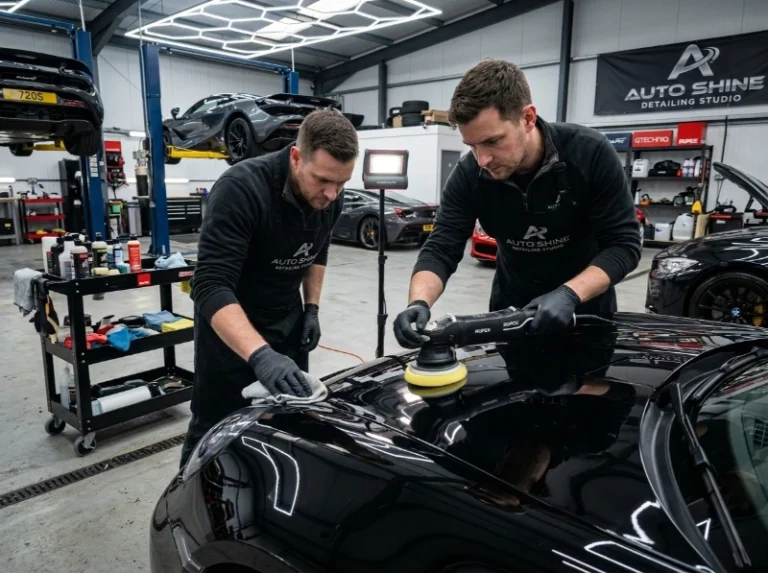
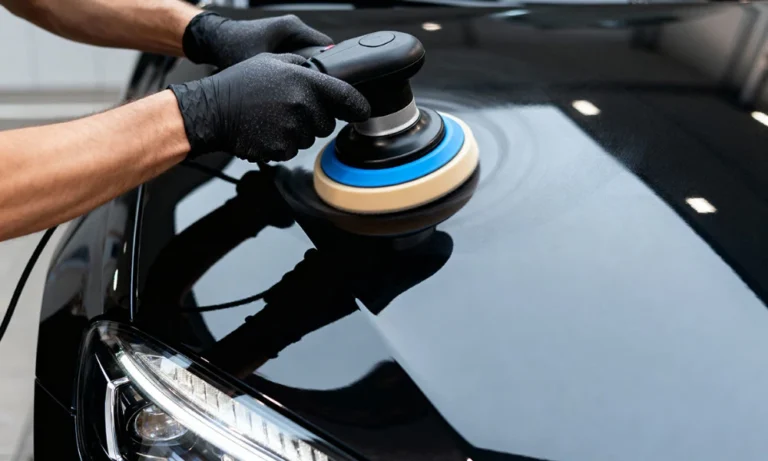
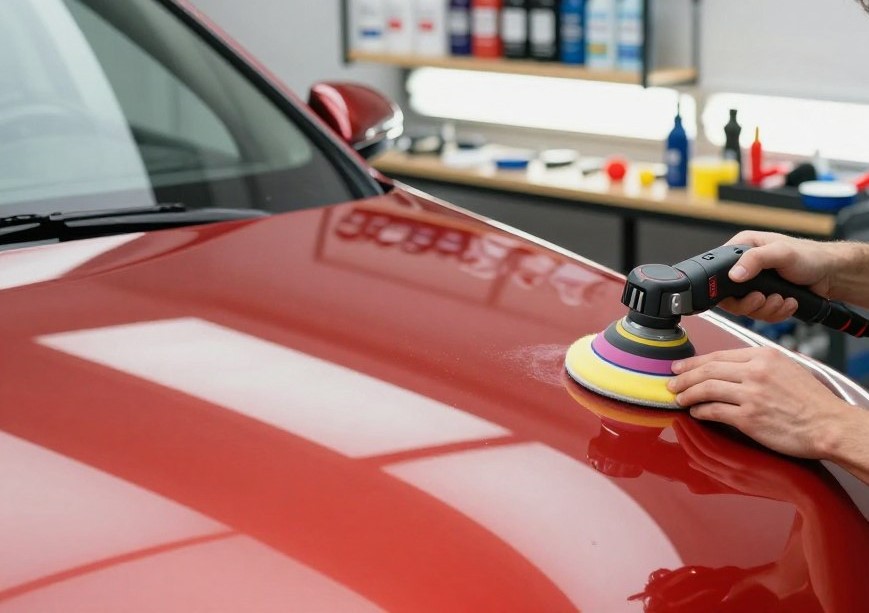
Out comes the flaw when layers shift under pressure. A technician works with spinning tools that wear down high spots slowly. Instead of hiding marks, this process erases them through careful removal. Tiny flaws vanish because material gets stripped where light once caught edges.
Common Paint Imperfections Found on Kentucky Roads
Kentucky roads are tough on car paint. In winter, road salt and chemicals can etch the finish, making it dull. Also, road grime and flying debris cause swirl marks and scratches that ruin the car’s look over time. To keep your vehicle protected and maintain its glossy finish, check out our guide on how to protect your car paint.
| Feature | Professional Correction | DIY Methods |
| Defect Removal | Permanent leveling | Temporary masking |
| Equipment | Dual-action polishers | Hand application |
| Safety | Depth gauge monitoring | Risk of burn-through |
| Result | Showroom clarity | Holograms and swirls |
Why DIY Methods Often Fall Short
Most people who own cars attempt touch-ups themselves, yet things usually go worse. Lacking proper gear or skill, DIY buffing tends to strip the protective layer excessively. Ugly swirls appear – sometimes lasting forever – forcing a visit to someone trained.
Most folks overlook how much care goes into a clean finish. Yet trusting those who truly get paint correction in Bowling Green means long-term shine without guessing what works. A smart move sticks with you – long after the job ends.
The Science Behind Automotive Paint Correction
Perfect reflections come from how auto paint gets fixed, not just cleaned. Not soap. Not polish. A smooth finish bends light right. Leveling matters most.
How Clear Coat Works
Most of today’s vehicles wear paint like armor made of layers. Sitting up top, the see-through finish plays bodyguard. Rain, sunburn from sunlight, even time trying to fade colors – this shield pushes back. Scratches slow down here, thanks to that slick outer skin.
Little grooves or faint lines live just under the car’s shiny layer. To fix them, pros gently sand down high spots instead. A flat finish comes from shaving off thin bits of coating here and there. Light bounces better when nothing interrupts the flow.
The Role of Abrasives and Polishing Pads
Smooth results come down to what you work with. Tools matter – experts pick specific scrubbing grains along with buffing disks. How tight the disk feels plus the roughness of the grain shapes removal speed.
From start to finish, every phase uses its own kind of tool. That way, things stay safe while getting done what needs to be done
- Heavy-cut pads: For deep scratches and heavy oxidation.
- Medium-polishing pads: For refining the surface after initial cutting.
- Finishing pads: Soft materials for maximum gloss and clarity.
- Micro-abrasive compounds: Liquids that break down during use to prevent further marring.
Measuring Paint Thickness with Depth Gauges
Most work needs someone to stay safe first thing every time. Before doing anything, it helps to check how thick the finish really is. Tools that read paint levels show exact numbers fast.
Most tools measure down to the micron. Confidence grows when numbers stay reliable. Watching every layer means the finish stays full. A solid shield forms so your vehicle stays sharp.
Breaking Down the 3 Step Paint Correction Process
Smooth results come from working through three stages of surface refinement. Because flaws fade without risking protective layers. Following each phase brings back that fresh-from-the-lot glow.
Heavy Cutting for Deep Scratch Removal
Start by removing deep scratches along with serious surface wear. Heavy-duty polishing pastes paired with stiff buffing pads do the job. Tough effort becomes necessary when fixing flaws that kill shine and depth.
Refining the Finish with Medium Polishing
Once major flaws are gone, the finish can appear uneven. Yet smoothing it further brings balance. This middle phase clears haze, preps for what comes next.
Final Finishing for Maximum Gloss and Clarity
A gentle touch finishes things off, using soft pads along with fine polish to bring out a glossy finish. Swirls vanish here, leaving behind deep color that stands out more. Care runs highest during this phase, giving painted surfaces a vivid, even feel.
Paint correction is often a key part of complete Car Paint Restoration. Learn more about restoring faded and damaged paint.
Selecting the Right Compounds for Your Vehicle
Start by choosing your cleaner carefully. If it feels too strong, the finish might get hurt. Go too gentle, though, and those marks stay put. Try it in one spot before moving across the surface.
The Importance of Proper Lighting During the Process
Hidden flaws stay hidden without light. Bright LEDs reveal scuffs you’d otherwise miss. Steps land correctly when shadows disappear. Seeing details begins with strong illumination.
| Stage | Primary Goal | Tool Used |
| Heavy Cutting | Remove deep scratches | Coarse Compound |
| Medium Polishing | Remove haze/marring | Medium Polish |
| Final Finishing | Maximize gloss | Fine Finishing Polish |
Benefits of Professional Paint Correction for Kentucky Drivers
Most folks in Kentucky care about their vehicle’s engine, yet overlook how the outside looks. Still, keeping the finish clean matters just as much. When someone fixes imperfections in the coating, suddenly it stands out while driving by. Professional attention to the outer layer brings noticeable changes.
Restoring Factory-Level Shine
Shine fades when grit from winter roads sticks around. Sunlight beats down hard enough to bleach the surface over time. Rubbing too rough during cleanups makes scratches sneak in easier. Pros reach for precision gear that lifts swirls without new marks. That gleam coming back means more than pretty reflections. Hidden shields underneath stay stronger when polished right.
Increasing Vehicle Resale Value
Besides just looking good, how a car appears outside really matters if you plan to sell or trade it. Over in Kentucky, where lots of people are shopping for vehicles, cleaner ones tend to bring more money. Fixing up the paint isn’t just about shine – it acts as a shield for what you’ve already paid.
- Higher market appeal for private sales.
- Better trade-in appraisals at local dealerships.
- Long-term preservation of the clear coat.
- Enhanced pride of ownership during daily commutes.
Removing Swirl Marks and Holograms
Most swirls and shiny ghost lines come from rough washing or poor polishing. These flaws give even new cars a worn-out appearance. Getting things right means carefully removing a thin layer of clear coat. The result stays put when done by someone who knows how.
Once those scratches fade, the real hue and glow of your coat show through. Not even top-grade wax or sealant reaches that kind of clear finish. Years pass, yet your vehicle still holds its look thanks to expert care on Kentucky highways.
Maintaining Your Vehicle After Paint Correction
Once your vehicle has been professionally refreshed, maintaining that look matters. Though the three-stage paint fix erases past flaws, fresh threats remain. Protection doesn’t stop after treatment – ongoing attention guards what you’ve put into it. Over time, small efforts add up to lasting results.
The Importance of Ceramic Coatings
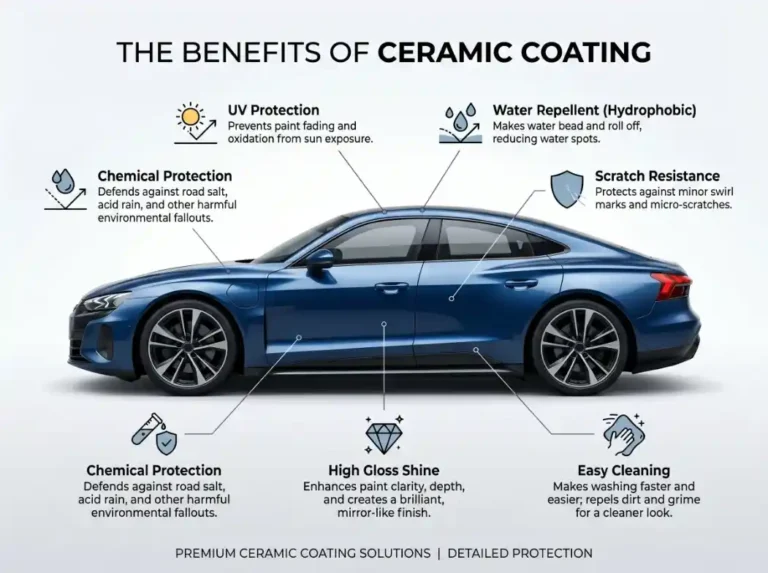
A slick layer of ceramic coating makes car care far easier. Because it repels grime, sunlight damage slows down noticeably. Not only does it resist muck, but bird mess becomes less of a worry too. The finish stays cleaner longer thanks to its invisible armor. Over time, that protection helps preserve the factory gloss underneath.
Deep down, this layer sticks tight to your car’s skin. When rain hits, grime runs away fast – washing fades into the background. Fewer trips to the sponge life.
Safe Washing Techniques to Prevent Future Swirls
Most people scrub their cars without thinking – yet that pressure leaves tiny spirals behind. Try keeping one bucket for soapy water, another just for rinsing the mitt instead.
- Use one bucket for soapy water and another for clean rinse water.
- Rinse your wash mitt in clean water before using soap.
- Dry your car with high-quality microfiber towels to avoid scratching.
Stay away from automatic car washes with rough brushes. They can pick up dirt from other cars and ruin your car’s finish.
Regular Maintenance Schedules for Long-Term Protection
Every now and then, peek under the surface – coating or not, cars need eyes on them. Half-year marks are good times to bring it in for a trained look. That way, you know the shield around the paint hasn’t quit doing its job.
On each visit, iron specks might get wiped away with a gentle wash by the detailer. Years of fresh looks start with routines like these, done right every time.
Conclusion
Most people spend a lot of money on their vehicle. Yet few think about how sun, salt, and gravel wear down the finish. A skilled detailer fixes those flaws slowly, by hand. Because machines can make things worse if used wrong. Over time, tiny scratches fade under steady pressure and clean clothes. Even old marks vanish when treated right. This kind of work lasts longer than wax or sprays. Since real protection comes from fixing damage below the surface. Rain and road grime still hit hard in Kentucky seasons. Still, a corrected coat handles it better. Not because it resists everything. But because the clear layer stays strong beneath.
Patches of wear vanish when flaws get smoothed out properly. A clean finish returns its glow – pride shows through how it gleams now. Restoring depth guards without shouting about it.
From Gtechniq to Ceramic Pro, names you can trust show up strong when shine matters. A clean look sticks around longer because shields form against grime. Protection kicks in fast, staying put through daily wear.
Most of the time, a steady routine keeps your car’s paint looking sharp. Right after you wash it properly, those tiny swirls tend not to appear at all.
A clean car feels good to drive. Get in touch with someone nearby in Bowling Green who handles details. Your vehicle can turn heads on any road.
FAQ
A car’s outer layer gets smoothed during paint correction. Machines powered by detailers take on tiny spirals and scrapes. Instead of hiding flaws, this method polishes them away slowly. The finish shines more than it did at first drive-off. Smoothness returns through steady pressure and paste that cuts just enough.
Winter roads leave marks on your vehicle. Instead of fading slowly, a proper polish brings back shine lost to dust and chemicals. Rain carries pollen that sticks along edges. Yet skilled cleanup wipes away what weather leaves behind. A smooth finish returns even after months of wear. Value stays strong when surfaces stay clear.
Deep healing takes three stages. First up, a powerful abrasive tackles serious grooves. Following that, smoothing comes through moderate refinement. Gloss plus transparency emerge last. Basic buffing only delivers brightness. Major flaws remain untouched by such a method.
We’re careful with your car’s paint. We use special gauges to check the clear coat’s thickness. This way, we can safely fix the surface without harming the paint.This ensures your car looks great for years.
DIY kits are not the best choice. They don’t have the right tools for true correction. Trying to fix your car yourself can damage the paint.Professional detailers use special lights and the right products for your paint. They know how to avoid mistakes.
To keep your car looking perfect, use a ceramic coating. This protects the paint. Also, wash your car safely. Use the “two-bucket method” and high-quality mitts. This keeps your car looking great between visits.